How to Show Love to Your Dog: 10 Affectionate Ways


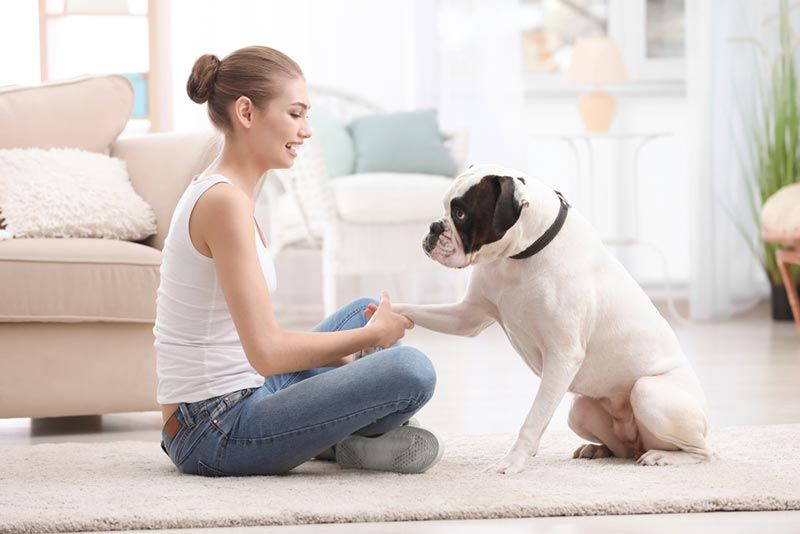
Are you new to owning a dog? Or maybe you’ve had a furry friend for a while and are looking for different ways to show your pup a bit of affection. In either case, we've got you covered with this list of how to show love to a dog.
Here’s a sneak peek: It doesn’t take much effort! With just 10 minutes of your time a day, your dog will reap the rewards. Let’s dive in!

Top 10 Ways to Show Love to Your Dog
1. Daily Play Sessions
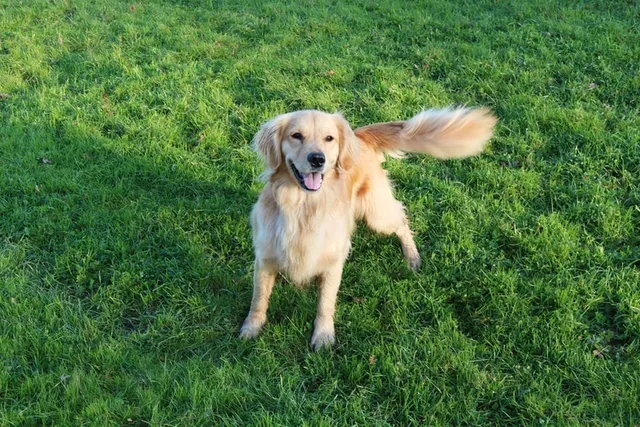
Playing is one of the best ways to show affection to your dog. Psychologically, canines need to play to build relationships with other animals and humans and to develop essential motor skills.1 However, the biggest reason dogs play is that it's pure fun.
When you play with your dog, you do more than ease boredom for a few minutes. You strengthen your relationship and prevent unwanted behavior.

2. Outings
Taking your dog to the park or running a quick errand will help ease boredom. It also allows you to interact with your dog in public. You can practice socialization and tricks or enjoy the scenic views.
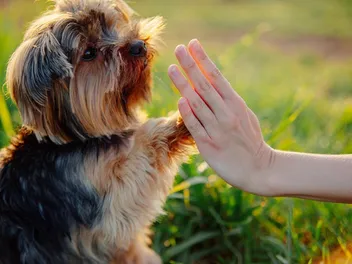
3. Teaching a New Trick or Command
Commands are an important part of dog training. Without appropriate training and guidance, dogs may develop unwanted behaviors, which can be frustrating for both you and your dog. Basic training will keep everyone stress-free.
But don’t think that training stops at "sit" and "stay." Give your pup a challenge and up the stakes. Your dog will love it (mainly because of the treats).
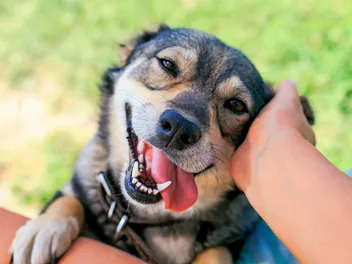
4. Ear Rubs and Back Scratches
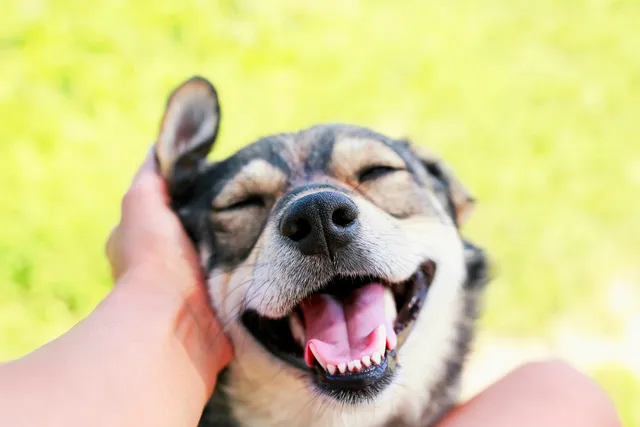
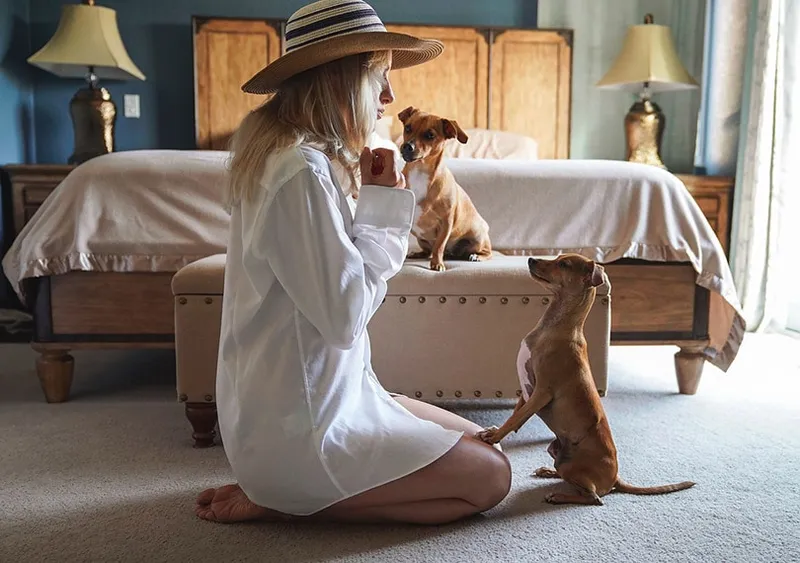
For most dogs, touch is an integral part of showing affection. Gentle gestures are more intimate compared to roughhousing. The ears and other areas of the body contain nerve endings, and many dogs find gentle touch in these areas relaxing, which may promote calm behavior.
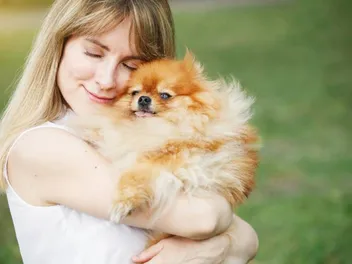
5. Cuddles and Snuggles
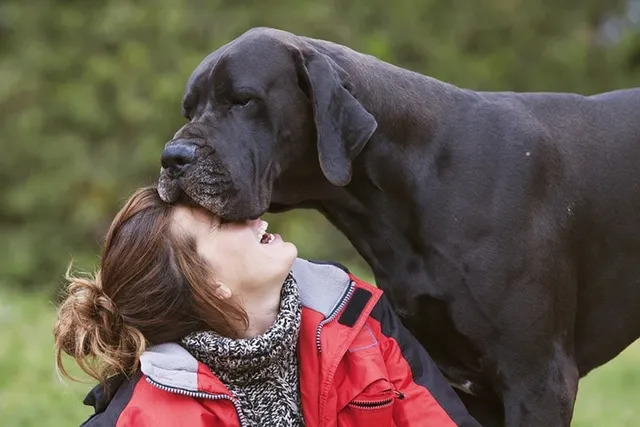
Cuddling allows you and your dog to be close to one another, like with ear rubs and back scratches. Dogs form strong social bonds with their pet parents and usually feel secure when resting close to them, so it makes sense why they’d want to snuggle. With those big doe eyes, snuggling shouldn’t be a problem!
Keep in mind, not all dogs like to cuddle. Dogs with trauma related to abuse may not be keen on physical touch, and that’s okay. Respecting your dog’s individual comfort level and allowing them to choose interaction is important for building trust.

6. Dog Time
We love our dogs, but we can’t play with them as other dogs can. Some dogs benefit from interaction with other compatible dogs, as it can provide social enrichment and opportunities to practice appropriate social behaviors. Dogs respond differently to other dogs using other forms of communication, which means dog interactions are more stimulating.
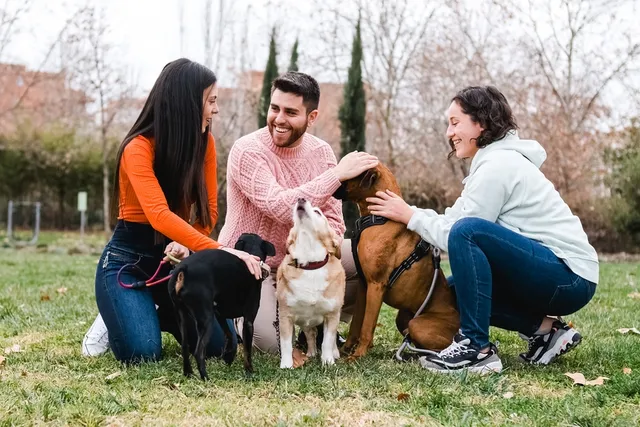
Show your pet you care by providing proper dog one-on-one time by going to a dog park or visiting a friend with a pup.
7. Loving Gazes
Dogs don’t focus on facial expressions to show emotion as much as humans do,3 but they can read our facial expressions, nonetheless. Staring softly into your dog's eyes and slowly blinking may be perceived as a calm, non-threatening social signal in some dogs, though direct eye contact can be uncomfortable or perceived as threatening for others, depending on the individual dog and context. It may invite your dog into a cuddle session.

8. Treats
Is there a dog in the world that doesn’t like treats? Surprise your pup with a tasty treat you usually don’t offer. It will be a nice change of pace, and it’s delicious. Your dog will love it!
9. Family Events
Part of having a dog is adopting a furry friend into the family. Go a step further and introduce your dog to the rest of the family. Bring your pup to family events, like birthday parties, Thanksgiving dinners, or random get-togethers. Some dogs may enjoy social gatherings and attention, while others may feel overwhelmed depending on their temperament, socialization history, and the environment. Ensure your dog has a safe space to retreat to and monitor for signs of stress during these events.
10. Understanding Dog Behavior
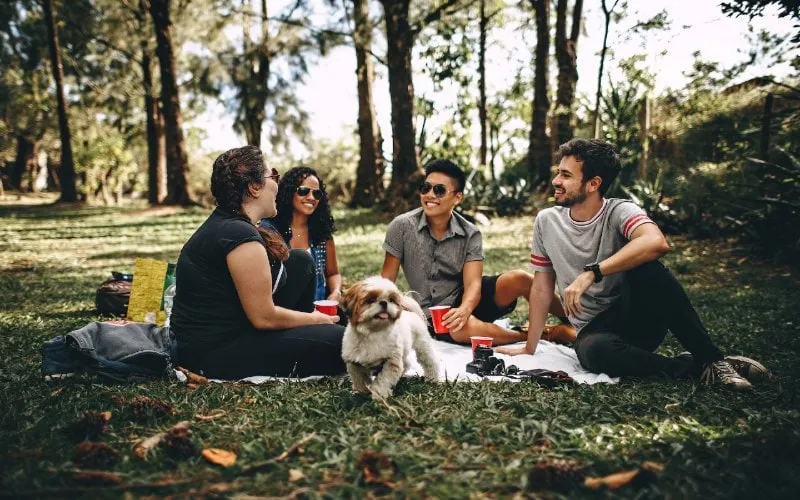
Having a solid relationship with your dog is more than learning commands, tossing a ball, and offering treats. You must know about dog behavior to show your dog affection in the best way possible.
Understanding why dogs have certain behaviors will offer you and your pet three things:
Take the time to study dog behavior. It can only strengthen your relationship with your pet. A vet can give you some good pointers on how to understand your dog and to identify cues.

In Summary
Owning a dog is a huge responsibility, but showing love doesn’t take much effort. Canines don’t need a shiny new bracelet to feel loved. All they want are the dog necessities: food, dog time, mental enrichment, rest, and cuddles.
Hopefully, this post inspired you to show some love to your pup. If you think you’ve fallen short lately, that’s okay. Tomorrow is a new day. Now, go snuggle with your dog!
Sources
Featured Image Credit: Africa Studio, Shutterstock
Expert dog care, straight to your inbox
News, insights, expert advice, and everything dog.

No spam — unsubscribe anytime.
By signing up, you agree to our Terms & Conditions and Privacy & Cookies Policy.
How useful was this post?
Click a star to rate. You can leave written feedback afterwards. (We read all feedback.)
Cassidy is a vet tech and professional pet sitter turned pet writer whose passion is all things animals, both domestic and wild. She’s had a multitude of pets over the years and loves writing about the animal-human bond. She and her husband now live in Wichita with a German Shepherd named Raven, two cats, Lucy & Strudel, and a few backyard chicks.